


Èze
Èze is a tiny medieval village perched high on a rocky hilltop overlooking the Mediterranean Sea, situated approximately 8.5 km northeast of Nice and 4.5 km west of Monaco.
Built around the 8th century, Èze has served as a strategic lookout over centuries, occupied by ancient Greeks, Romans, Moors, the House of Savoy, and even attacked by Ottoman fleets during the 16th century.
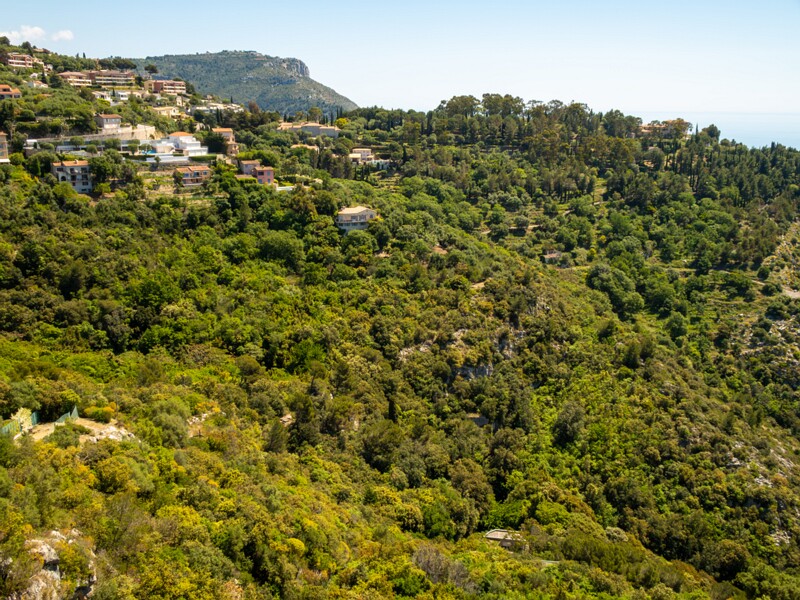
The current medieval settlement sits at around 427 m elevation above sea level, earning Èze the nickname “eagle’s nest” for its panoramic vistas of the Riviera, including if weather permits views of Corsica and Saint-Tropez environs.
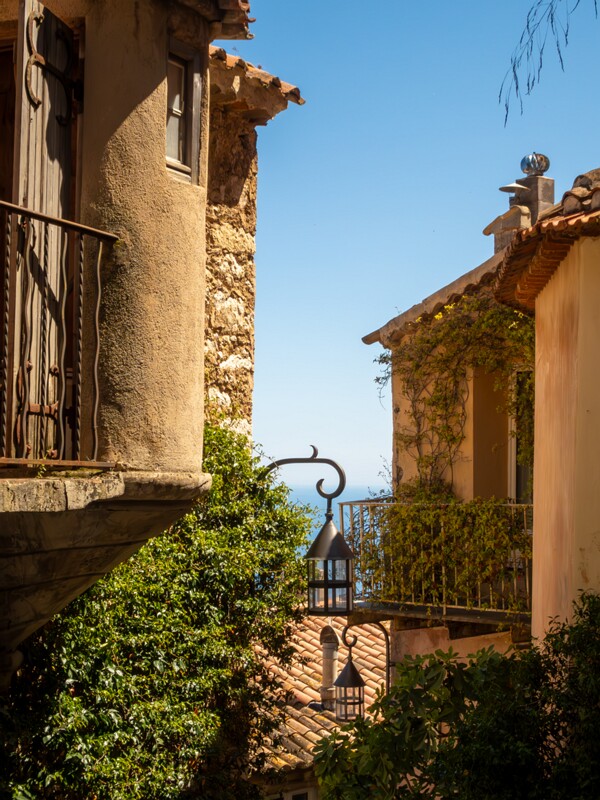
Entering the village through the 14th-century fortified gate and postern, visitors feel instantly transported into a labyrinth of narrow, cobbled alleys, vaulted archways, and ochre-hued stone façades draped in vines and blooms.
Each twist and turn reveals artisan galleries, boutique shops, café terraces, and small craft studios housed in centuries‑old buildings that blend seamlessly with their rocky terrain.
Èze’s tiny footprint and uphill stairways make the entire historic town feel like an open‑air museum, where every corner looks postcard-ready and demands a photo.
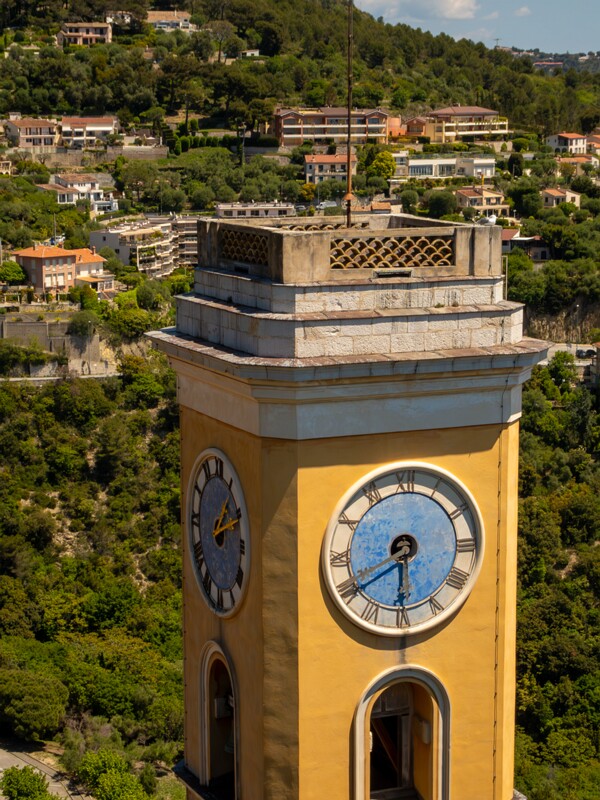
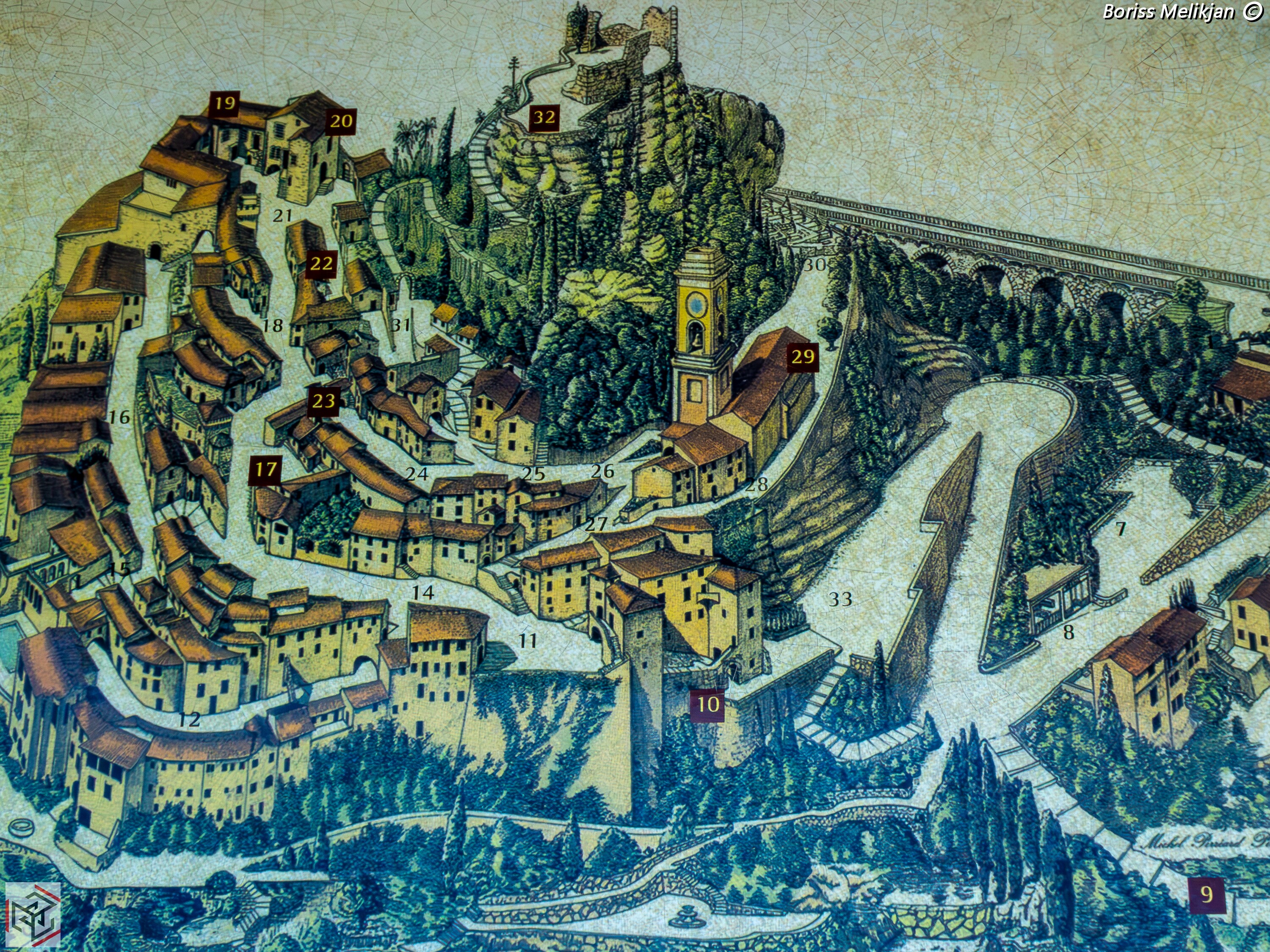
The oldest visible religious building is the Église Notre‑Dame de l’Assomption, rebuilt in the 18th century in sober baroque style with its distinct ochre bell tower stretching above the hilltop rooftops.
Just below the church sits the Chapelle de la Sainte Croix, dating from around 1306 and originally used by the White Penitents—an enduring symbol of Èze’s spiritual heritage.
At the summit of the village lie the ruins of a feudal castle and ramparts, now integrated into the famed Jardin exotique, a botanical garden cultivated on the old fortress site.
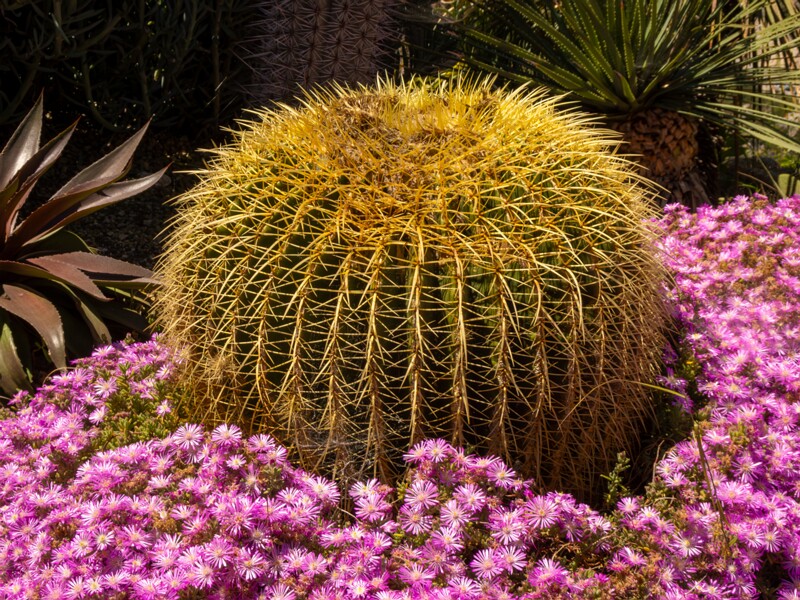
Created in 1949 atop those ruins, the Jardin exotique d’Èze showcases a stunning collection of succulents, cacti, and Mediterranean and semi‑tropical plants, many technically classified as remarkable gardens by the French Ministry of Culture.
Walking through the garden’s terraces, visitors pause on wooden benches to admire sweeping views across the Esterel massif, Cap Ferrat, Nice, Monaco, and on clear days even to Corsica or Saint‑Tropez.
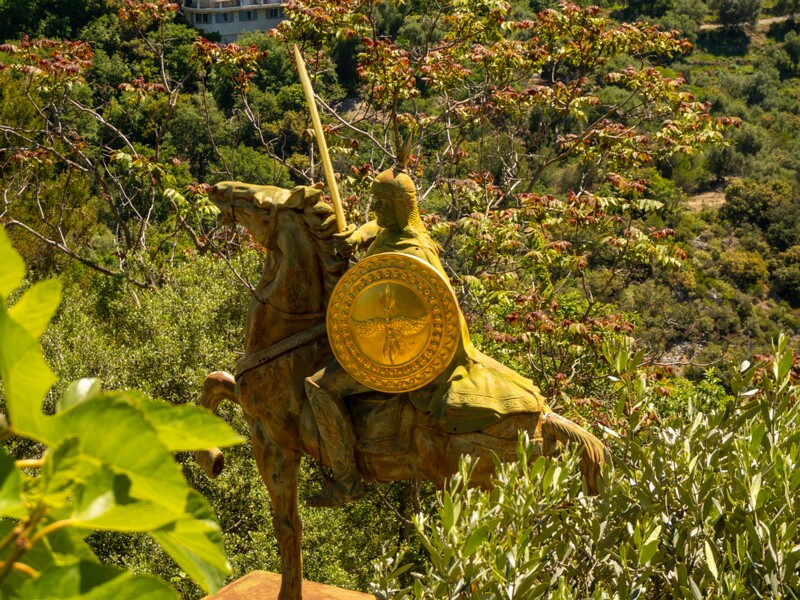
Contemporary sculptures by Jean‑Philippe Richard, evoking ethereal feminine forms, dot the garden’s rocky landscape and elevate the serene, almost otherworldly atmosphere.
Connecting Èze village on the hill to its seaside counterpart Èze‑sur‑Mer, the steep Nietzsche Path unfolds over roughly 2 km and a 400 m descent, said to have inspired Friedrich Nietzsche as he conceptualized the third part of "Thus Spoke Zarathustra".
The Nietzsche Trail takes an average of 45 minutes to walk down and about 90 minutes to climb—visitors are advised to wear sturdy footwear and carry water for the journey.
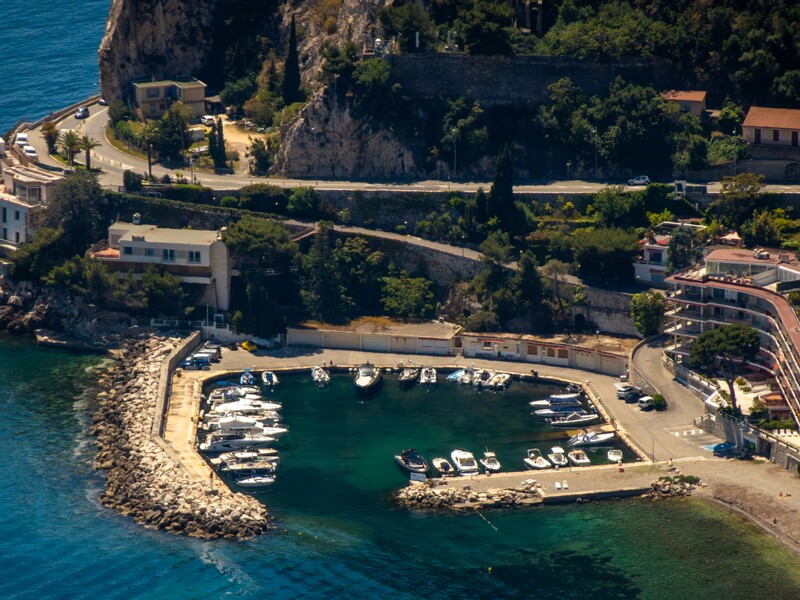
Èze-sur‑Mer lies at sea level and includes a small port, beach area, and access to the coastline via the rail line running between Nice and Monaco.
At the base of the hill, visitors may tour the Fragonard or Galimard perfumeries, where free guided visits explain the Riviera’s historic perfume and cosmetics traditions.
Èze has been described by some as a “museum village,” owing to its small permanent population—around 2,200 inhabitants—and strong tourist presence, fascinating art galleries, local crafts, and high-end restaurants.
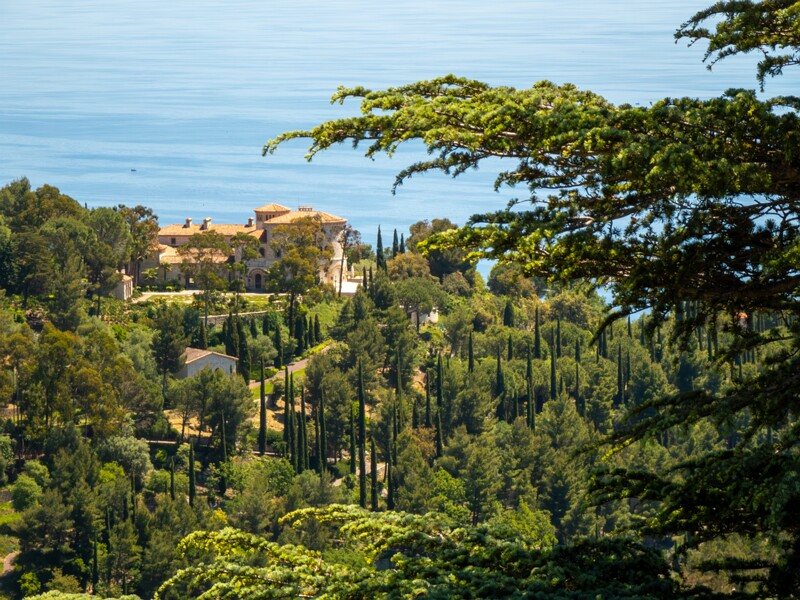
Among luxury stays, the Château de la Chèvre d’Or and Hôtel Château Èze occupy historic homes integrated into the village fabric and host Michelin-starred dining experiences with breathtaking sea views.
Èze’s architecture reflects its history: ancient fortified walls, stone houses built with local limestone, arched passageways, and terraces carved into the cliffside, all collectively preserving its medieval character.
Walking early in the morning is recommended to avoid peak tourist crowds and to better observe architectural details, tranquil courtyards, and shaded plantings along the winding lanes.
Èze also lies on the official “Route des Villages Perchés” organized by the Métropole Nice Côte d’Azur, linking it with fifteen other perched villages in the region.
Nature lovers can find further activity in nearby Réserve de la Grande Corniche and Fort de la Revère above the village, ideal for hiking, cycling, or panoramic photography.
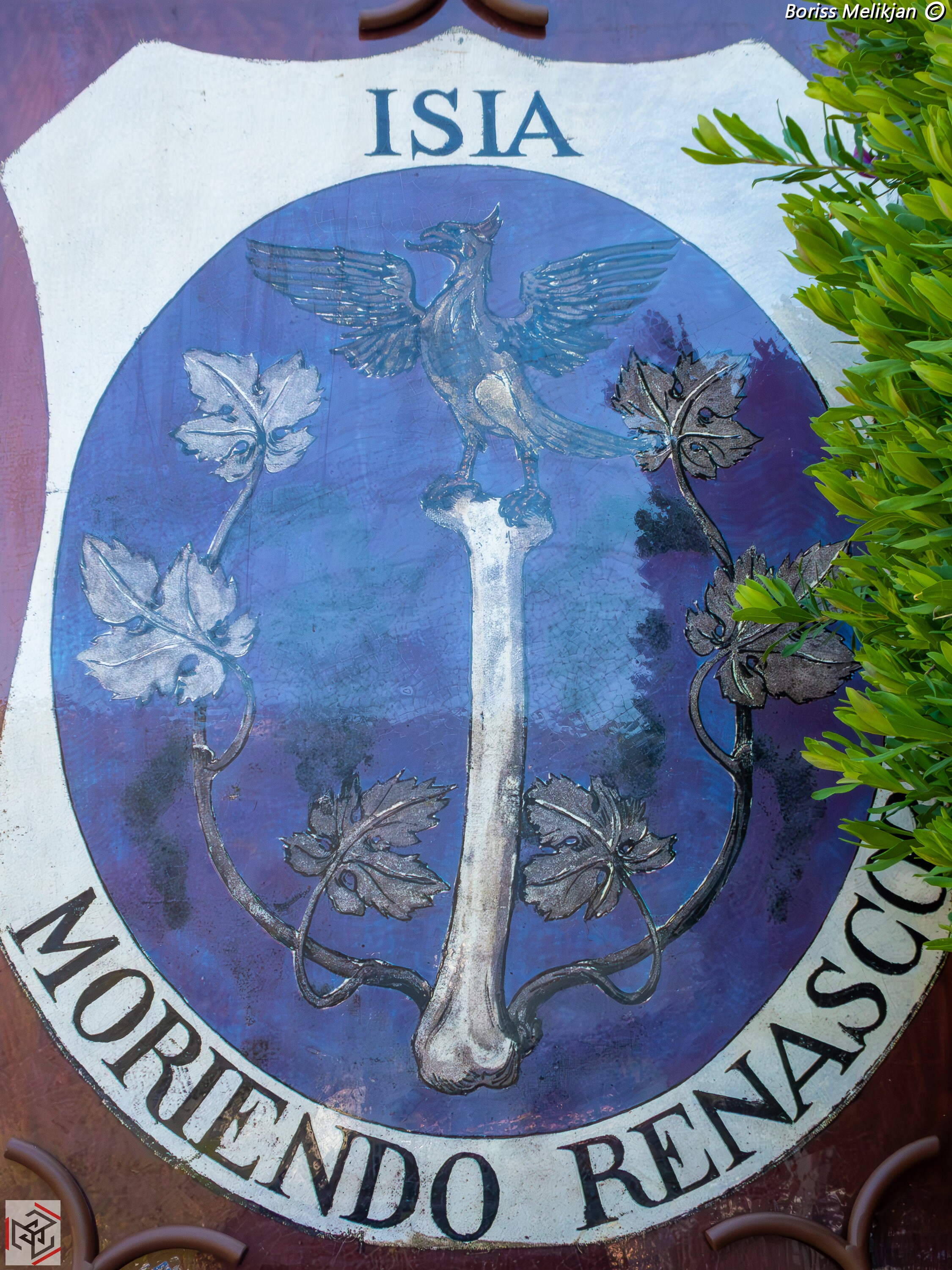
The local motto, Isis Moriendo Renascor (“In death I am reborn”), echoes Èze’s long-held symbolism of resilience, renewal, and its mythical ties to ancient Phoenician worship of Isis.
Èze’s preserved medieval charm, clifftop views, exotic garden, artisan boutiques, scent ateliers, and evocative trails make it a perfect day trip from Nice or Monaco—or an enchanting destination to stay overnight and absorb Riviera magic.
Built around the 8th century, Èze has served as a strategic lookout over centuries, occupied by ancient Greeks, Romans, Moors, the House of Savoy, and even attacked by Ottoman fleets during the 16th century.
The current medieval settlement sits at around 427 m elevation above sea level, earning Èze the nickname “eagle’s nest” for its panoramic vistas of the Riviera, including if weather permits views of Corsica and Saint-Tropez environs.
Entering the village through the 14th-century fortified gate and postern, visitors feel instantly transported into a labyrinth of narrow, cobbled alleys, vaulted archways, and ochre-hued stone façades draped in vines and blooms.
Each twist and turn reveals artisan galleries, boutique shops, café terraces, and small craft studios housed in centuries‑old buildings that blend seamlessly with their rocky terrain.
Èze’s tiny footprint and uphill stairways make the entire historic town feel like an open‑air museum, where every corner looks postcard-ready and demands a photo.
The oldest visible religious building is the Église Notre‑Dame de l’Assomption, rebuilt in the 18th century in sober baroque style with its distinct ochre bell tower stretching above the hilltop rooftops.
Just below the church sits the Chapelle de la Sainte Croix, dating from around 1306 and originally used by the White Penitents—an enduring symbol of Èze’s spiritual heritage.
At the summit of the village lie the ruins of a feudal castle and ramparts, now integrated into the famed Jardin exotique, a botanical garden cultivated on the old fortress site.
Created in 1949 atop those ruins, the Jardin exotique d’Èze showcases a stunning collection of succulents, cacti, and Mediterranean and semi‑tropical plants, many technically classified as remarkable gardens by the French Ministry of Culture.
Walking through the garden’s terraces, visitors pause on wooden benches to admire sweeping views across the Esterel massif, Cap Ferrat, Nice, Monaco, and on clear days even to Corsica or Saint‑Tropez.
Contemporary sculptures by Jean‑Philippe Richard, evoking ethereal feminine forms, dot the garden’s rocky landscape and elevate the serene, almost otherworldly atmosphere.
Connecting Èze village on the hill to its seaside counterpart Èze‑sur‑Mer, the steep Nietzsche Path unfolds over roughly 2 km and a 400 m descent, said to have inspired Friedrich Nietzsche as he conceptualized the third part of "Thus Spoke Zarathustra".
The Nietzsche Trail takes an average of 45 minutes to walk down and about 90 minutes to climb—visitors are advised to wear sturdy footwear and carry water for the journey.
Èze-sur‑Mer lies at sea level and includes a small port, beach area, and access to the coastline via the rail line running between Nice and Monaco.
At the base of the hill, visitors may tour the Fragonard or Galimard perfumeries, where free guided visits explain the Riviera’s historic perfume and cosmetics traditions.
Èze has been described by some as a “museum village,” owing to its small permanent population—around 2,200 inhabitants—and strong tourist presence, fascinating art galleries, local crafts, and high-end restaurants.
Among luxury stays, the Château de la Chèvre d’Or and Hôtel Château Èze occupy historic homes integrated into the village fabric and host Michelin-starred dining experiences with breathtaking sea views.
Èze’s architecture reflects its history: ancient fortified walls, stone houses built with local limestone, arched passageways, and terraces carved into the cliffside, all collectively preserving its medieval character.
Walking early in the morning is recommended to avoid peak tourist crowds and to better observe architectural details, tranquil courtyards, and shaded plantings along the winding lanes.
Èze also lies on the official “Route des Villages Perchés” organized by the Métropole Nice Côte d’Azur, linking it with fifteen other perched villages in the region.
Nature lovers can find further activity in nearby Réserve de la Grande Corniche and Fort de la Revère above the village, ideal for hiking, cycling, or panoramic photography.
The local motto, Isis Moriendo Renascor (“In death I am reborn”), echoes Èze’s long-held symbolism of resilience, renewal, and its mythical ties to ancient Phoenician worship of Isis.
Èze’s preserved medieval charm, clifftop views, exotic garden, artisan boutiques, scent ateliers, and evocative trails make it a perfect day trip from Nice or Monaco—or an enchanting destination to stay overnight and absorb Riviera magic.


 Site home
 Info
Info Nice Country 2025: Boriss Melikjan Expeditions Collection.


