


Cannes
Cannes is a resort city on the French Riviera in the Alpes‑Maritimes department of Provence‑Alpes‑Côte d’Azur in southeastern France, located southwest of Nice and facing the Gulf of Napoule.
Originally a modest fishing village with shores once covered in reeds, the name Cannes likely derives from the Ligurian word canna, meaning reed.
New World Encyclopedia
Human settlement in the Cannes area dates back to the second century BC, later falling under Roman influence before the monks of Lérins fortified the area in the medieval period.
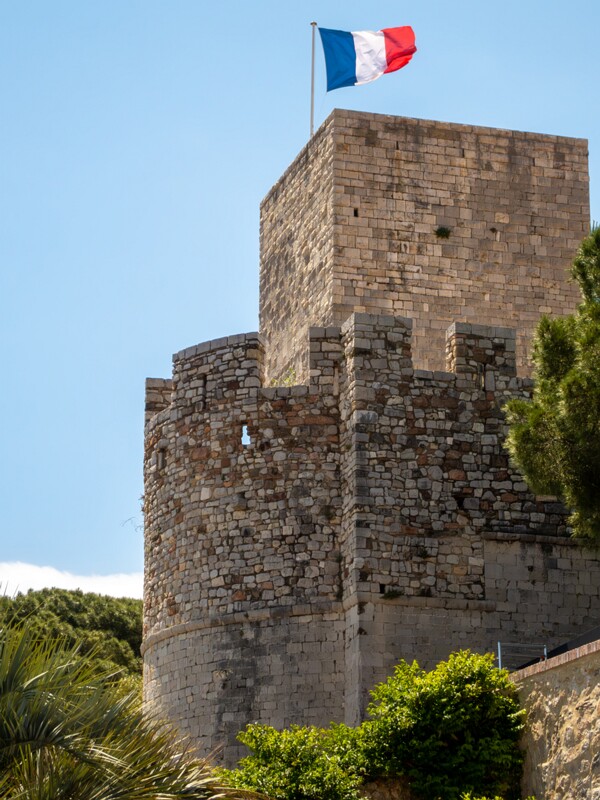
By the tenth century, Cannes was protected by fortified watchtowers to guard against Saracen sea raiders, particularly around Le Suquet hill overlooking the bay.
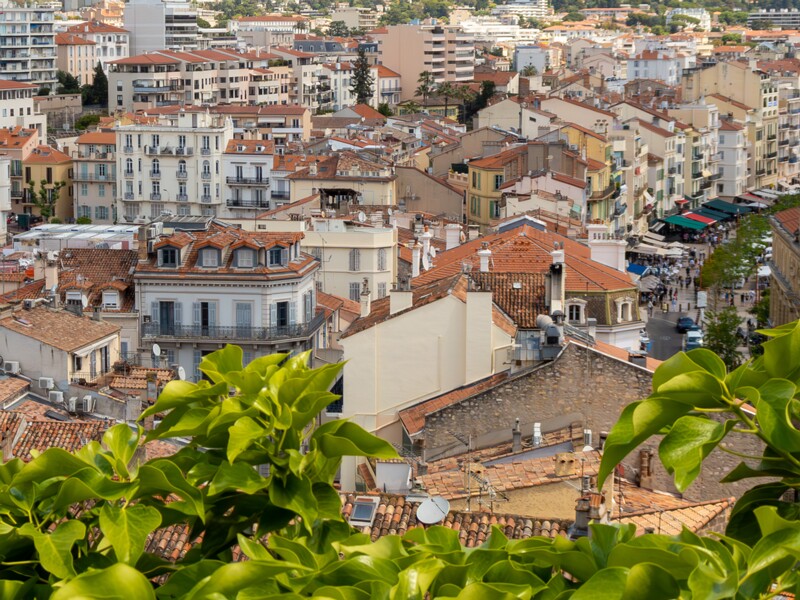
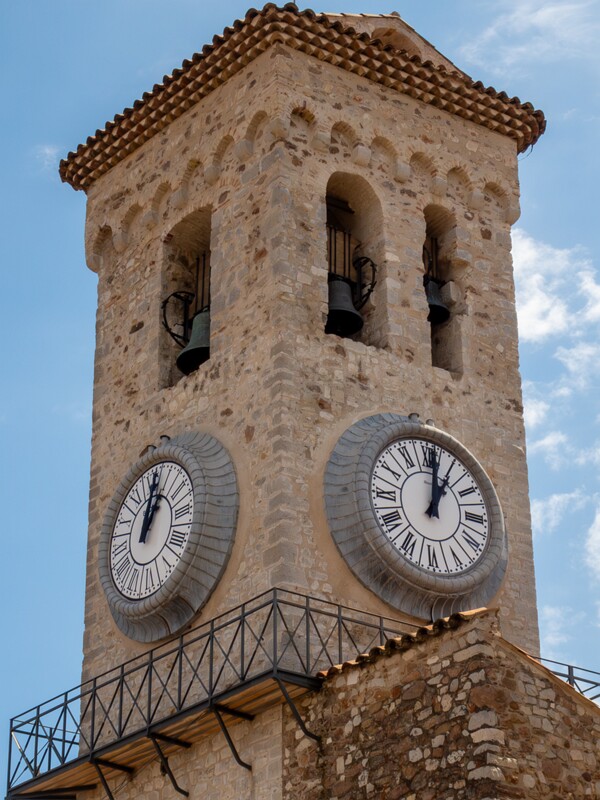
The old quarter of Le Suquet retains its medieval character with narrow, winding cobbled lanes, a clock tower, and the Église Notre‑Dame de l’Espérance, perched high above the bay.
The town suffered severely during the plague of 1579, nearly depopulating the area before later occupations by Spanish troops in the 17th and early 18th centuries.
In 1834 British Lord Henry Brougham visited Cannes en route to Nice during a quarantine and fell in love with the town’s climate and bay, prompting him to build a villa and thereafter introducing European aristocracy to the region.
Aristocrats began building lavish villas and hotels in elegant districts such as La Californie and Croix‑des‑Gardes, transforming Cannes into a fashionable resort for Europe’s elite.
The Promenade de la Croisette is an iconic two‑kilometre palm‑lined boulevard along the sea, lined with luxury hotels including the Carlton, Martinez, JW Marriott, and Majestic, plus designer stores and upscale restaurants.
The Hôtel Martinez, one of Cannes’ most famous Art Deco landmarks, opened in 1929 and remains a symbol of glamour on La Croisette.
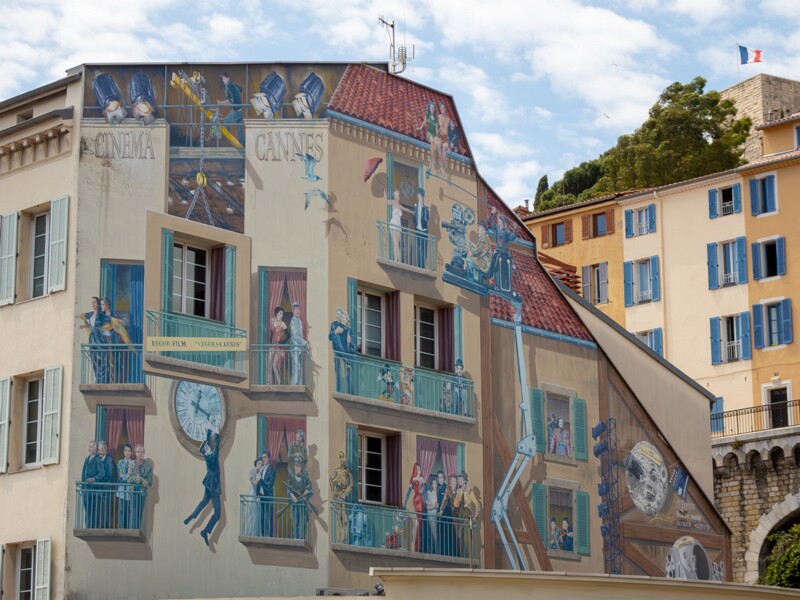
The Cannes Film Festival, conceived in 1938 as a response to fascist influence at the Venice festival, was delayed by World War II but first held in 1946 and quickly became one of the most influential cinema events globally.
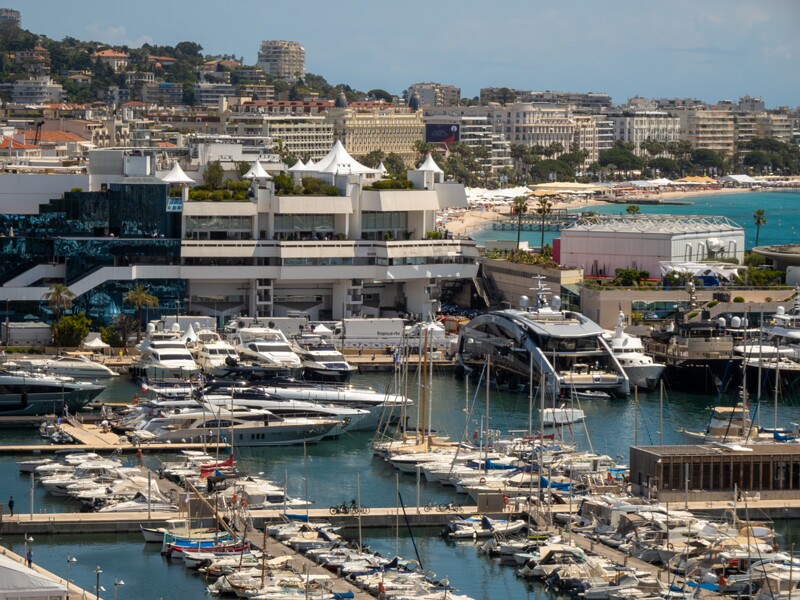
Today the festival occupies the Palais des Festivals et des Congrès, originally built in 1949 and expanded in 1982 and 1999 to include 35,000 m² exhibition space and auditoria seating 2,300 people.
The festival attracts around 39,000 attendees and features nearly 237 films representing some 56 countries each year, alongside the Marché du Film, the world’s largest film market.
In 2025 the 78th edition of the Cannes Film Festival will run from May 13 to 24, with stars like Tom Cruise, Scarlett Johansson, and Pedro Pascal expected to attend and Robert De Niro receiving an honorary Palme d’Or.
The festival is estimated to generate over €200 million in local economic benefit, and during its run the city’s population unofficially triples as hotel prices soar—room rates can rise to €250–€1000 per night.
Cannes officially bans nudity on the red carpet at the festival and enforces a formal black-tie dress code for evening screenings, while media access is strictly controlled through badge color hierarchies.
Beyond the film festival, Cannes hosts numerous other major events including the Cannes Lions International Festival of Creativity, MIDEM, MIPIM, MIPTV, and the NRJ Music Awards—all housed at the same Palais.
The local economy relies heavily on tourism, trade shows, conventions, and luxury events; Cannes is France’s second-largest trade show city after Paris.
The city covers 19.62 km² and had around 72,435 residents in 2020, though density skyrockets during cruise and festival seasons.
Cannes enjoys a subtropical Mediterranean climate: hot summers often reaching 30 °C, and mild winters with averages rarely dipping below 10 °C; most rain falls in October and November.
The steep hills behind Cannes offer nature escapes such as La Croix des Gardes, a wooded parkland with walking trails and panoramic views above the city.
From Cannes you can take a short boat ride to the Lérins Islands—Île Sainte‑Marguerite and Île Saint‑Honor at—each with monastic history, wildlife, and crystal‑clear waters.
Île Sainte‑Marguerite once held the legendary Man in the Iron Mask prisoner, while Île Saint‑Honorat continues to host a monastery whose monks still produce Chartreuse‑style liqueur.
Le Suquet, Cannes’ old town, dates to medieval times and now contains the Musée de la Castre housed in the old castle and tower offering sweeping views of the bay.
Le Suquet also includes the Marché Forville, a lively morning market selling fresh local produce, seafood, flowers, and Provencal specialties.
Rue d’Antibes, the city’s main shopping street, features nearly 3,000 boutiques offering everything from designer fashion to local crafts.
Cannes boasts around 7.6 km of coastline with 13 public beaches and 33 concession beaches, creating a premier seaside resort atmosphere.
Strolls along La Croisette reveal opulent façades, haute couture entrances, and glimpses of billionaires’ yachts moored in the harbor.
Beyond film and fashion, Cannes supports a high‑tech industry cluster in nearby Sophia Antipolis and hosts the Cannes Mandelieu Space Center, home to Thales Alenia Space.
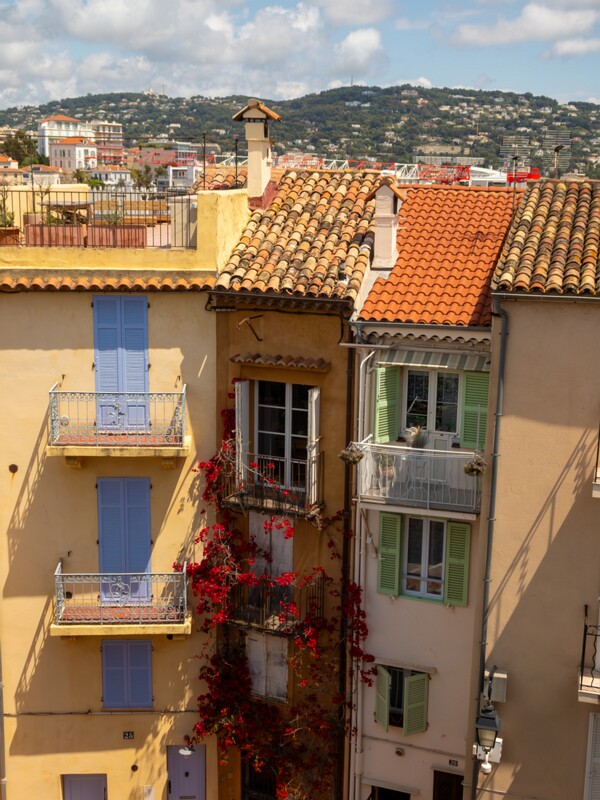
Despite its cosmopolitan reputation, Cannes retains Provençal roots seen in its open‑air markets, seafood cuisine, mimosa blossoms, and historic churches.
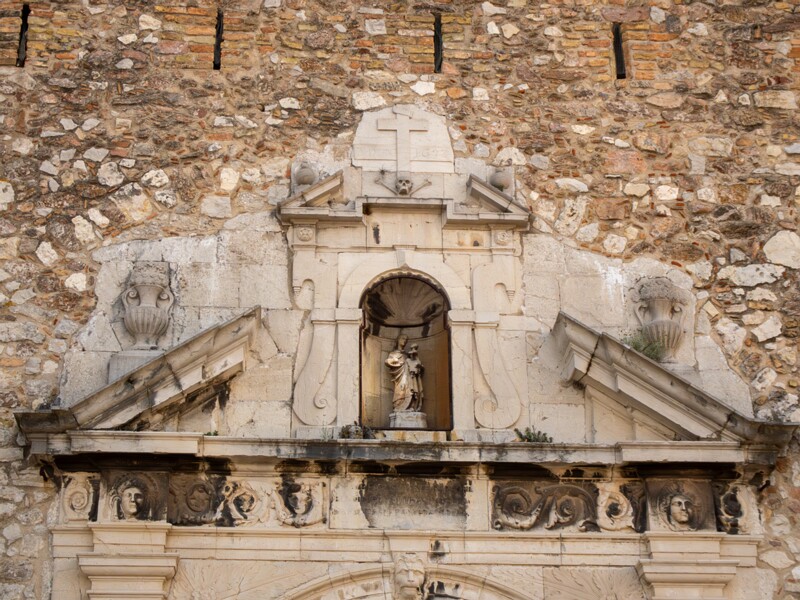
The Basilica of Notre‑Dame d’Espérance, constructed in 1627 atop Le Suquet, stands beside the old castle and commands panoramic views.
Villa Rothschild and Villa Domergue, Belle Époque mansions with exotic gardens and art collections, epitomize the wealth that shaped Cannes in the 19th century.
A regular boat excursion to the Lérins Islands offers tranquil swimming spots and ecological exploration just minutes from the city’s frenetic glamour.
Although Cannes draws global attention during May, locals advise visiting during late spring or early autumn for milder weather and fewer crowds.
Seasonal highlights beyond cinema include Les Plages Électroniques, a summer electronic music festival, and luxury yachting regattas in the bay.
Reddit users confirm the city comes alive particularly during festival seasons like Cannes Lions or the film festival, when celebrity sightings and events fill the streets.
However, day‑tripping from nearby Nice is common—even in May, a 25-minute train ride connects travelers casually to Cannes without needing to stay in the city.
Visitors to Cannes can mix beachfront relaxation with cultural exploration, from lounging under palm trees to diving into historic lanes and art museums.
Cannes’ blend of Mediterranean climate, cultural prestige, international festivals, historic architecture, and seaside opulence makes it a premier global destination.
Whether you’re walking the famed Croisette, exploring Le Suquet’s medieval lanes, attending a festival at the Palais, or escaping to the Lérins Islands, Cannes enchants with glamour, history, sea, and cinematic magic.
Originally a modest fishing village with shores once covered in reeds, the name Cannes likely derives from the Ligurian word canna, meaning reed.
New World Encyclopedia
Human settlement in the Cannes area dates back to the second century BC, later falling under Roman influence before the monks of Lérins fortified the area in the medieval period.
By the tenth century, Cannes was protected by fortified watchtowers to guard against Saracen sea raiders, particularly around Le Suquet hill overlooking the bay.
The old quarter of Le Suquet retains its medieval character with narrow, winding cobbled lanes, a clock tower, and the Église Notre‑Dame de l’Espérance, perched high above the bay.
The town suffered severely during the plague of 1579, nearly depopulating the area before later occupations by Spanish troops in the 17th and early 18th centuries.
In 1834 British Lord Henry Brougham visited Cannes en route to Nice during a quarantine and fell in love with the town’s climate and bay, prompting him to build a villa and thereafter introducing European aristocracy to the region.
Aristocrats began building lavish villas and hotels in elegant districts such as La Californie and Croix‑des‑Gardes, transforming Cannes into a fashionable resort for Europe’s elite.
The Promenade de la Croisette is an iconic two‑kilometre palm‑lined boulevard along the sea, lined with luxury hotels including the Carlton, Martinez, JW Marriott, and Majestic, plus designer stores and upscale restaurants.
The Hôtel Martinez, one of Cannes’ most famous Art Deco landmarks, opened in 1929 and remains a symbol of glamour on La Croisette.
The Cannes Film Festival, conceived in 1938 as a response to fascist influence at the Venice festival, was delayed by World War II but first held in 1946 and quickly became one of the most influential cinema events globally.
Today the festival occupies the Palais des Festivals et des Congrès, originally built in 1949 and expanded in 1982 and 1999 to include 35,000 m² exhibition space and auditoria seating 2,300 people.
The festival attracts around 39,000 attendees and features nearly 237 films representing some 56 countries each year, alongside the Marché du Film, the world’s largest film market.
In 2025 the 78th edition of the Cannes Film Festival will run from May 13 to 24, with stars like Tom Cruise, Scarlett Johansson, and Pedro Pascal expected to attend and Robert De Niro receiving an honorary Palme d’Or.
The festival is estimated to generate over €200 million in local economic benefit, and during its run the city’s population unofficially triples as hotel prices soar—room rates can rise to €250–€1000 per night.
Cannes officially bans nudity on the red carpet at the festival and enforces a formal black-tie dress code for evening screenings, while media access is strictly controlled through badge color hierarchies.
Beyond the film festival, Cannes hosts numerous other major events including the Cannes Lions International Festival of Creativity, MIDEM, MIPIM, MIPTV, and the NRJ Music Awards—all housed at the same Palais.
The local economy relies heavily on tourism, trade shows, conventions, and luxury events; Cannes is France’s second-largest trade show city after Paris.
The city covers 19.62 km² and had around 72,435 residents in 2020, though density skyrockets during cruise and festival seasons.
Cannes enjoys a subtropical Mediterranean climate: hot summers often reaching 30 °C, and mild winters with averages rarely dipping below 10 °C; most rain falls in October and November.
The steep hills behind Cannes offer nature escapes such as La Croix des Gardes, a wooded parkland with walking trails and panoramic views above the city.
From Cannes you can take a short boat ride to the Lérins Islands—Île Sainte‑Marguerite and Île Saint‑Honor at—each with monastic history, wildlife, and crystal‑clear waters.
Île Sainte‑Marguerite once held the legendary Man in the Iron Mask prisoner, while Île Saint‑Honorat continues to host a monastery whose monks still produce Chartreuse‑style liqueur.
Le Suquet, Cannes’ old town, dates to medieval times and now contains the Musée de la Castre housed in the old castle and tower offering sweeping views of the bay.
Le Suquet also includes the Marché Forville, a lively morning market selling fresh local produce, seafood, flowers, and Provencal specialties.
Rue d’Antibes, the city’s main shopping street, features nearly 3,000 boutiques offering everything from designer fashion to local crafts.
Cannes boasts around 7.6 km of coastline with 13 public beaches and 33 concession beaches, creating a premier seaside resort atmosphere.
Strolls along La Croisette reveal opulent façades, haute couture entrances, and glimpses of billionaires’ yachts moored in the harbor.
Beyond film and fashion, Cannes supports a high‑tech industry cluster in nearby Sophia Antipolis and hosts the Cannes Mandelieu Space Center, home to Thales Alenia Space.
Despite its cosmopolitan reputation, Cannes retains Provençal roots seen in its open‑air markets, seafood cuisine, mimosa blossoms, and historic churches.
The Basilica of Notre‑Dame d’Espérance, constructed in 1627 atop Le Suquet, stands beside the old castle and commands panoramic views.
Villa Rothschild and Villa Domergue, Belle Époque mansions with exotic gardens and art collections, epitomize the wealth that shaped Cannes in the 19th century.
A regular boat excursion to the Lérins Islands offers tranquil swimming spots and ecological exploration just minutes from the city’s frenetic glamour.
Although Cannes draws global attention during May, locals advise visiting during late spring or early autumn for milder weather and fewer crowds.
Seasonal highlights beyond cinema include Les Plages Électroniques, a summer electronic music festival, and luxury yachting regattas in the bay.
Reddit users confirm the city comes alive particularly during festival seasons like Cannes Lions or the film festival, when celebrity sightings and events fill the streets.
However, day‑tripping from nearby Nice is common—even in May, a 25-minute train ride connects travelers casually to Cannes without needing to stay in the city.
Visitors to Cannes can mix beachfront relaxation with cultural exploration, from lounging under palm trees to diving into historic lanes and art museums.
Cannes’ blend of Mediterranean climate, cultural prestige, international festivals, historic architecture, and seaside opulence makes it a premier global destination.
Whether you’re walking the famed Croisette, exploring Le Suquet’s medieval lanes, attending a festival at the Palais, or escaping to the Lérins Islands, Cannes enchants with glamour, history, sea, and cinematic magic.

 Site home
 Info
Info Nice Country 2025: Boriss Melikjan Expeditions Collection.


